I was sitting in a cramped exam hall last Tuesday, watching a student stare at a source text with that specific look of quiet desperation. He had spent twenty minutes meticulously swapping “big” for “large” and “important” for “significant,” thinking he was being clever. But when I marked his paper, it was a disaster; he hadn’t actually changed the structure, he had just performed a shallow word-swap that any examiner can spot from a mile away. This is the most common trap I see: students think they know how to paraphrase without plagiarising, but they are actually just walking straight into a mark-deduction minefield.
I am not here to give you a list of fancy synonyms or a lecture on academic integrity that you could find in any textbook. Instead, I am going to show you how to rebuild a sentence from the ground up so that it actually reflects your own understanding. My goal is to move you away from these superficial habits and toward the structural changes that examiners are actually looking for. I promise to give you the no-nonsense tools I’ve used for nineteen years to ensure your writing stays original, clear, and—most importantly—safe from plagiarism.
Table of Contents
Mastering Rewriting Techniques for Essays
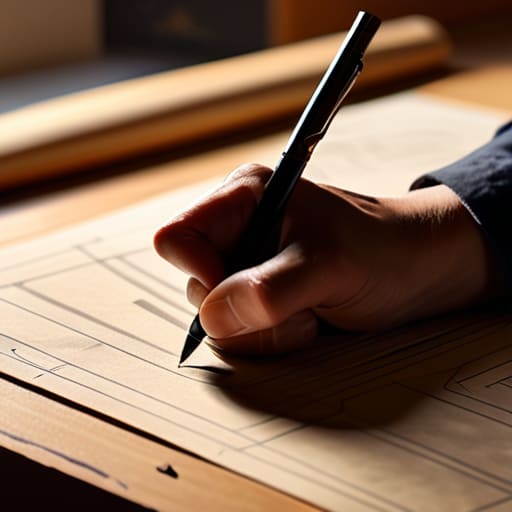
When I look at exam scripts, I see the same pattern: students think they are being clever by just swapping a few verbs for synonyms. This is the fastest way to lose marks. If you only change the words but leave the skeleton of the sentence untouched, you aren’t actually paraphrasing; you are just performing a “thesaurus transplant.” To truly master rewriting techniques for essays, you have to dismantle the original sentence entirely. I tell my students to read the passage, close the book, and explain the idea out loud as if they were talking to a colleague. This forces you into changing sentence structure and vocabulary naturally, rather than clinging to the author’s original rhythm.
It is also vital to understand the distinction between summarizing vs paraphrasing. A summary condenses a large idea into a brief overview, whereas a paraphrase stays close to the specific detail of the source but uses your own unique voice. If you lean too heavily on the original phrasing, you risk avoiding unintentional plagiarism only on a technicality, while still failing the test of academic integrity. You must own the thought before you write it down.
Avoiding Unintentional Plagiarism Mistakes
I see this happen in almost every exam room: a student works incredibly hard, but they lose marks because they’ve accidentally crossed the line into plagiarism. They aren’t trying to cheat; they are simply struggling with the mechanics of avoiding unintentional plagiarism. Usually, it happens because they rely too heavily on the original text’s rhythm. They might change a few adjectives here or a verb there, but if the skeleton of the sentence remains identical to the source, you haven’t actually rewritten it. You’ve just performed a superficial coat of paint on someone else’s work.
To fix this, you must move beyond simple word-swapping. I always tell my students that true mastery lies in changing sentence structure and vocabulary simultaneously. Don’t just look at the words; look at the idea. If you can explain the concept to a friend without looking at your notes, you are ready to write. This is the fundamental difference between summarizing vs paraphrasing: one condenses the big picture, while the other meticulously translates a specific point into your own unique voice. Keep that distinction in mind, and you’ll protect your marks.
Five ways to stop "patchwriting" before it costs you the grade
- Read the passage, close the book, and then explain it to me out loud. If you can’t explain the concept to a friend in plain English without looking at the page, you aren’t ready to write it down. This breaks the habit of “eye-tracking” the original text, which is where most accidental plagiarism begins.
- Change the structure, not just the vocabulary. My biggest pet peeve is the “thesaurus swap”—where a student keeps the exact same sentence structure but replaces every third word with a synonym. Examiners see right through this. If the original sentence is Active, try making yours Passive, or vice versa. You must change the skeleton of the sentence to truly paraphrase.
- Don’t be afraid to break one long sentence into two short, punchy ones. Students often feel they need to mirror the complexity of the source material to sound “academic,” but that just leads to copying the original flow. Simplification is a sign of understanding, not a lack of skill.
- Keep your “anchor words” intact. You don’t need to paraphrase technical terms, proper nouns, or specific jargon. If you try to find a synonym for “photosynthesis” or “macroeconomics,” you’ll end up with nonsense. Focus your energy on changing the verbs and the way the ideas are connected, rather than fighting with terminology.
- Always, always check your citations against your new wording. Even if you have rewritten the sentence perfectly in your own voice, the idea still belongs to the original author. A common mistake I see in my error log is students thinking that “new words = new idea.” It doesn’t. If the thought isn’t yours, the name must be.
Don't let a simple mistake sink your score
At the end of the day, paraphrasing isn’t about playing a game of “word substitution” where you swap a noun here and an adjective there. If you do that, you aren’t demonstrating language proficiency; you’re just setting a trap for yourself. We have covered how to truly digest an idea, restructure the entire sentence, and use your own vocabulary to convey the same meaning. Remember, the goal is to show the examiner that you actually understand the source material, not just that you own a thesaurus. If you stick to these techniques and avoid the habit of “patchwriting,” you will stop losing those frustratingly easy marks that separate a passing grade from a high one.
I know that sitting for these exams feels incredibly high-stakes, especially when you are retaking them. It is exhausting. But please, don’t let the fear of plagiarism make you play it too safe or, conversely, make you careless. Treat paraphrasing as a new habit rather than a set of rigid rules to memorize. Once you master the ability to own the language, the exam becomes much less about survival and much more about demonstrating your true ability. You have the tools, you have the knowledge, and now you have the method. Now, go out there and write with confidence.
Frequently Asked Questions
If I change the structure of the sentence but keep the same core vocabulary, am I still at risk of losing marks for plagiarism?
Short answer: Yes, you are. I’ve seen this mistake a hundred times in my classroom. If you only shuffle the word order but keep the same “skeleton” of vocabulary, you haven’t actually paraphrased; you’ve just performed a cosmetic surgery on a sentence. Examiners see right through it. To truly secure those marks, you must change both the structure and the lexical choices. Don’t just move the furniture around—rebuild the room.
How do I know exactly when I’ve gone too far from the original text and lost the actual meaning of the author?
This is where the “meaning trap” happens. I see it constantly: a student gets so focused on changing the vocabulary that they accidentally rewrite the logic. Here is my rule of thumb: after you’ve paraphrased a sentence, put the original away. Read your new version aloud. If you can’t explain the author’s specific point using your own words without looking back at the source, you’ve drifted. You haven’t paraphrased; you’ve just scrambled the signal.
Is it acceptable to use a few specific technical terms from the source, or does every single word need to be replaced to avoid a penalty?
No, you absolutely do not need to replace every single word. In fact, trying to find a synonym for a technical term is a classic mistake—it often leads to “thesaurus syndrome,” where you end up using a word that is technically correct but sounds completely unnatural. If a term is the standard industry or academic label, keep it. Focus your energy on restructuring the sentence and changing the surrounding vocabulary instead. Use the right tools, not just different ones.
